
Government Shutdowns Affect Medical Billing. Be Prepared.
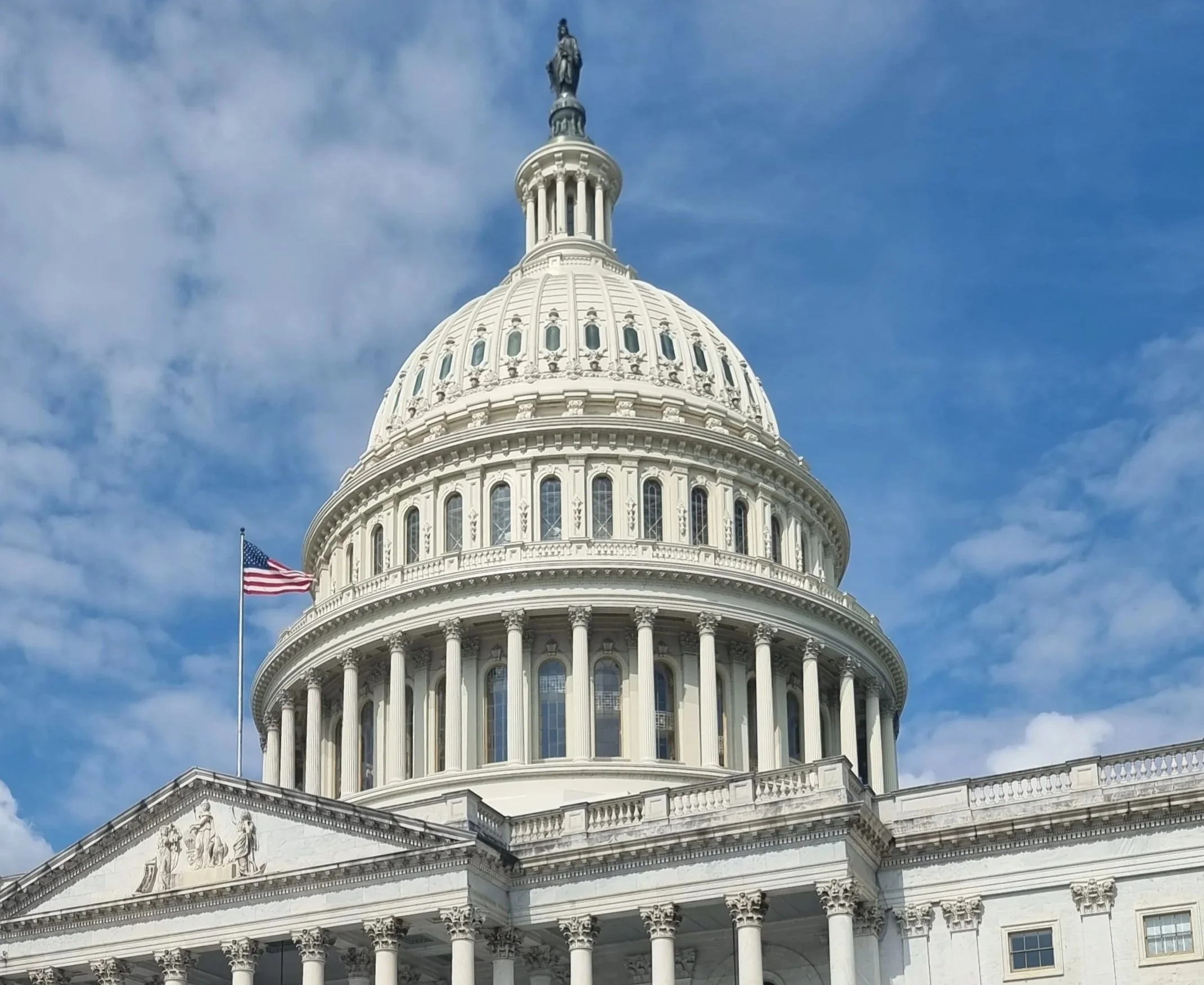
A federal government shutdown can slow down or complicate how your medical practice gets paid.
The good news? You can prepare and keep your practice ahead of potential disruptions.
How Shutdowns Impact Private Medical Practices
Major programs like Medicare may continue processing claims, but reduced staffing at federal agencies can slow claims reviews, create backlogs or delay responses to billing inquiries.
Your practices will feel the ripple effects, including:
Slower reimbursement timelines
Delayed approvals or authorizations
Limited access to payer support or clarification
Temporary pauses in regulatory updates or guidance
Increased administrative uncertainty
Disruptions can be gradual, but even short-term uncertainty creates long-term challenges when faced with tight margins.
4 Steps to Prepare for the Inevitable
Strengthen your front-end processes. You should verify patient eligibility and insurance coverage in real time to reduce preventable claim issues. Accurate data collection upfront minimizes delays later.
Focus on cash flow management. Monitor key performance indicators like days in accounts receivable (AR) and denial rates more closely. Identifying trends early allows you to respond before small issues escalate.
Optimize internal communication. Make sure your team understands how to handle potential delays, patient billing questions and payer changes. Clear expectations can reduce confusion and improve efficiency.
Build flexibility into your workflows. An adaptable approach to claim submission, follow-ups and denial management can help your practice stay on track.
Pick a Proactive RCM Partner
An experienced medical billing and revenue cycle management (RCM) partner provides much-needed structure and consistency. They can monitor payer activity, track claim status in real time and adjust workflows as conditions change.
RCM vendors also bring:
Proactive denial management and follow-up
Real-time reporting and financial visibility
Expertise in evolving payer requirements
Processes that scale with shifting workloads
Instead of reacting to problems after they occur, practices gain a partner focused on preventing issues before they impact revenue.
Onpoint Helps You Stay Ready
Onpoint Medical Solutions helps private medical practices stay prepared for disruptions like government shutdowns. Our team continuously monitors your revenue cycle, identifies risks early and ensures claims are processed accurately and efficiently.
Contact Onpoint Medical Solutions today to strengthen your revenue cycle and protect your cash flow.
References
https://aasm.org/impact-of-government-shutdown-on-medicare-operations/
https://www.apta.org/article/2025/09/25/shutdown-faqs
https://carbajal.house.gov/shutdown/
FAQ About Government Shutdowns and Medical Billing
What happens to Medicare reimbursements during a government shutdown?
During a government shutdown, Medicare payments typically continue. Medicare is funded through mandatory spending rather than annual appropriations.
How is Medicaid affected by a government shutdown?
Medicaid is jointly funded by federal and state governments, so the impact can vary by state. In many cases, Medicaid programs continue operating in the short term, especially if states have reserve funding. However, prolonged shutdowns can create administrative delays, reduced oversight or slower reimbursements depending on how each state manages funding and operations.
How do commercial health insurance companies respond to a government shutdown?
Commercial insurers are not directly funded by the federal government, so they typically continue normal operations during a shutdown. However, they can still be indirectly affected. For example, disruptions to federal data systems, eligibility verification tools or regulatory guidance may create confusion, delays or increased claim scrutiny.
Will claims processing stop completely during a government shutdown?
No, claims processing does not usually stop entirely. Essential healthcare services and many payment systems continue operating. However, processing speed can slow due to limited federal staffing, delayed approvals or reduced support from agencies that help manage billing questions and compliance issues.
How do government shutdowns affect claim denials and appeals?
Shutdowns can increase the likelihood of delays in claim appeals and resolution timelines. If additional documentation or clarification is required, it may take longer to receive responses from federal agencies or contractors. This can extend the lifecycle of denied claims and increase accounts receivable.